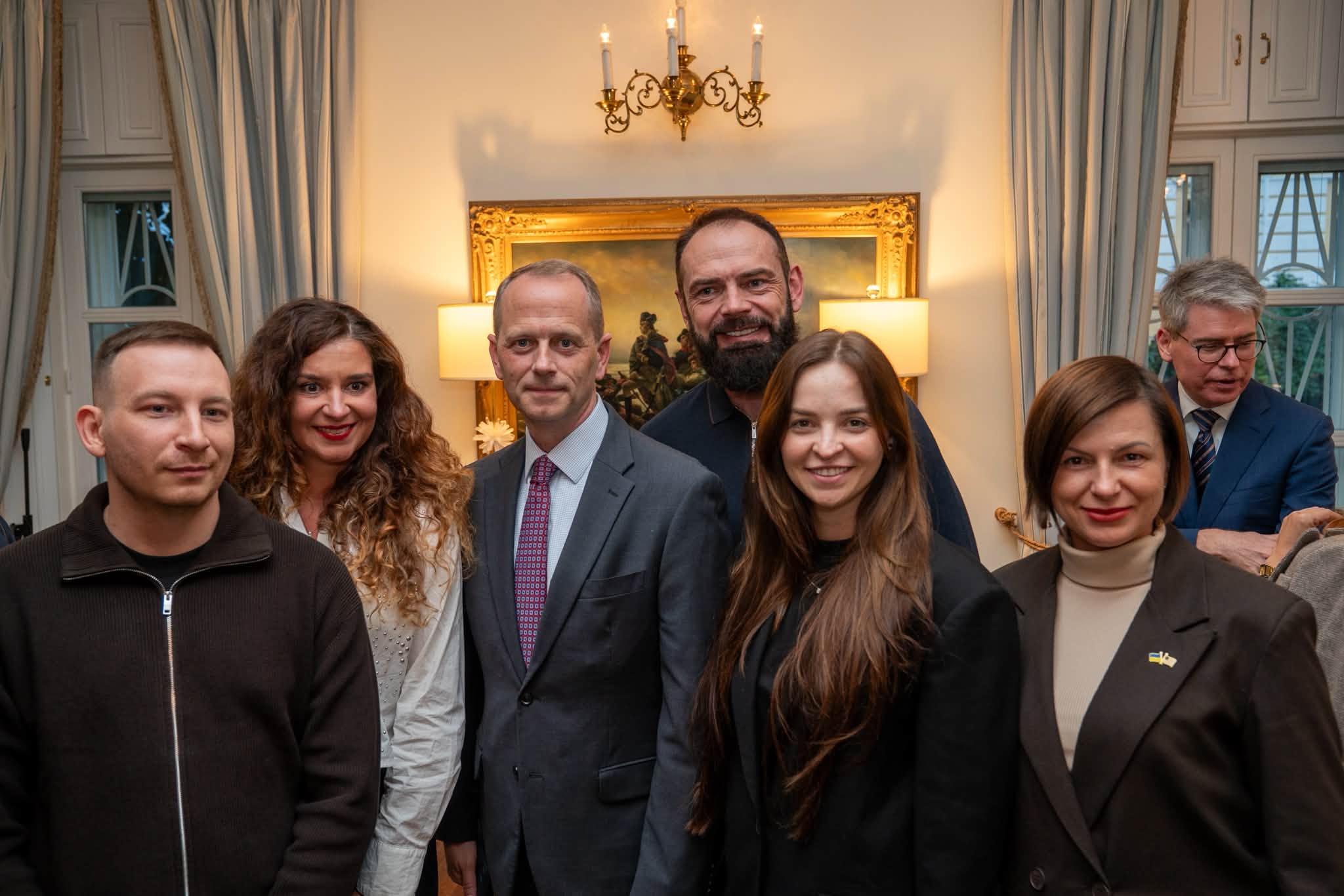
Recently, Mykolaiv hosted a two-day All-Ukrainian Adult Education Forum that brought together representatives of communities, organizations, and international partners to discuss challenges and opportunities in adult learning.
As you know, in 2023 Mykolaiv became the capital of adult learning and education in Ukraine. At the opening of the forum, Deputy Mayor of Mykolaiv Serhii Koreniev emphasized:
“It is a great honor for us to host this forum. For decades, Mykolaiv has been changing, retraining and adapting to new realities. Our city has become a center of adult education where residents acquire new skills and knowledge. This is especially important in times of war, when we need to respond quickly to challenges and create opportunities for new areas of development.”
In his turn, Levan Kvachadze, Regional Director of DVV International Ukraine, emphasized the importance of adult education for the future of the country, noting that it is a powerful tool for integration and development, especially in regions close to the front line.
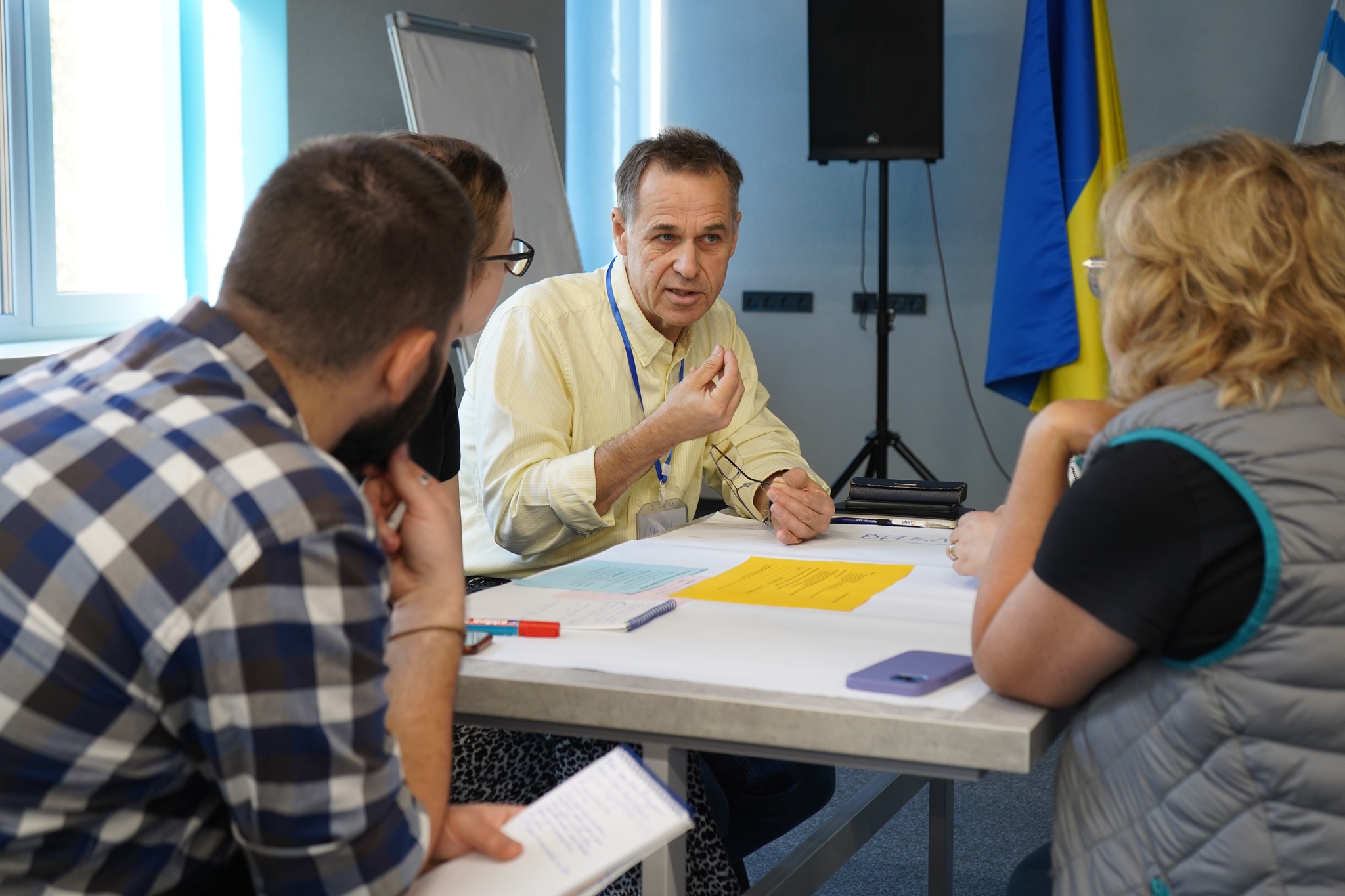
Siria Taurelli, Senior Expert on Human Capital Development at the European Training Foundation (ETF), added:
“Mykolaiv’s status as the ‘Capital of Adult Education’ is not only an honorary title, but also a great responsibility. The city sets an example for other communities in Ukraine, demonstrating the importance of lifelong learning and active participation of local residents in development processes.”
In his turn, Viktor Sikalenko, director of the Mykolaiv Development Agency and head of the NGO Adult learning and education center “South”, drew attention to the importance of adult education for community development.
“One of the challenges for us was to overcome stereotypes about adult education, because many people associate it exclusively with people of respectable age. However, we understand that a person becomes an adult at the age of 18, and they have a lot of responsibility. This is especially true when you start a family and have to support your family – wife, husband, children, and help them develop. This requires not only knowledge and skills, but also constant work on oneself,” said Viktor Sikalenko.
So, during the two-day forum, the participants discussed:
- Best practices and solutions in the field of adult education from the UNESCO Learning Cities network.
- EU policy on adult education until 2030. In particular, the policy guidelines for 2024-2029, presented by the President of the European Commission Ursula von der Leyen, emphasize the need for radical changes in approaches to training and education in Europe. This is important both for the career prospects of citizens and for increasing the competitiveness of the Union.
- The experience of learning cities from Northern Ireland – education is aimed at creating a system that combines formal and non-formal approaches to learning. This model allows people with different levels of education and experience to integrate into the learning process and acquire the necessary skills.
- German experience from Christian Geiselmann. In particular, the representative of the People’s University (VHS) of Hanover said that the city has a long tradition in the development of adult education. The VHS Center offers a variety of educational programs for adults aimed at personal development, professional skills and social integration. There are courses available to help participants improve their chances in the labor market, learn foreign languages, including German, and develop their creativity. There is also a “Second Chance” education program that allows adults to obtain high school diplomas.
- Danish experience. Sine Heustin, Policy Advisor at the Danish Association for Adult Education (DAEA), spoke about the activities of the organization, which unites 38 national associations. DAEA supports lifelong learning through a variety of programs and activities. Its members include national universities, women’s organizations, environmental associations, and other associations dealing with cultural and international issues.
- Methods and tools for advocacy at the local level.
Group sessions helped the participants develop a strategy for advocating for the law “On Adult Education”, taking into account the needs of the regions. It should be noted that the forum was held in a hybrid format.
Participants also visited educational sites where they got acquainted with various clubs and studios, such as a culinary studio, a digital literacy school, a sewing workshop, art therapy, and a pottery studio.

Mykolaiv, as the capital of adult education, continues to set the tone in promoting the ideas of lifelong learning and supporting citizens in difficult times.
The event was organized by the Institute for International Cooperation Deutscher Volkshochschul-Verband e.V. DVV International Ukraine, the German Association for Adult Education, the European Training Foundation ETF, the Ukrainian Association for Adult Education, the NGO “Ukrainian Association for Adult Education” and the NGO NGO Adult learning and education center “South”, and the Mykolaiv Development Agency.