
Partners: Mykolaiv Development Agency (Ukraine), Spacescape (Sweden), Lietuvos architektų sąjunga (Lithuania), Department of Architecture and Urban Planning of Mykolaiv City Council
We present the results of a project implemented as part of a Swedish grant programme. This project aims to improve social values through urban design in large-scale modernist neighbourhoods, especially in post-Soviet countries. It focuses on housing renovation and the development of public spaces to prevent their decline or replacement. Representatives from Sweden, Lithuania and Ukraine participated in the project, including experts in urban planning, housing renovation and public space development. Specifically, on the Mykolaiv side, the Mykolaiv Development Agency and the Department of Architecture coordinated local research and the integration of results. Swedish partners, supported by the Swedish Institute, provided expertise in sustainable development, while Lithuanian colleagues shared practices from Vilnius. Expert contributions helped in the analysis and formulation of recommendations. In total, the project brought together more than 20 specialists to exchange knowledge and take joint action.
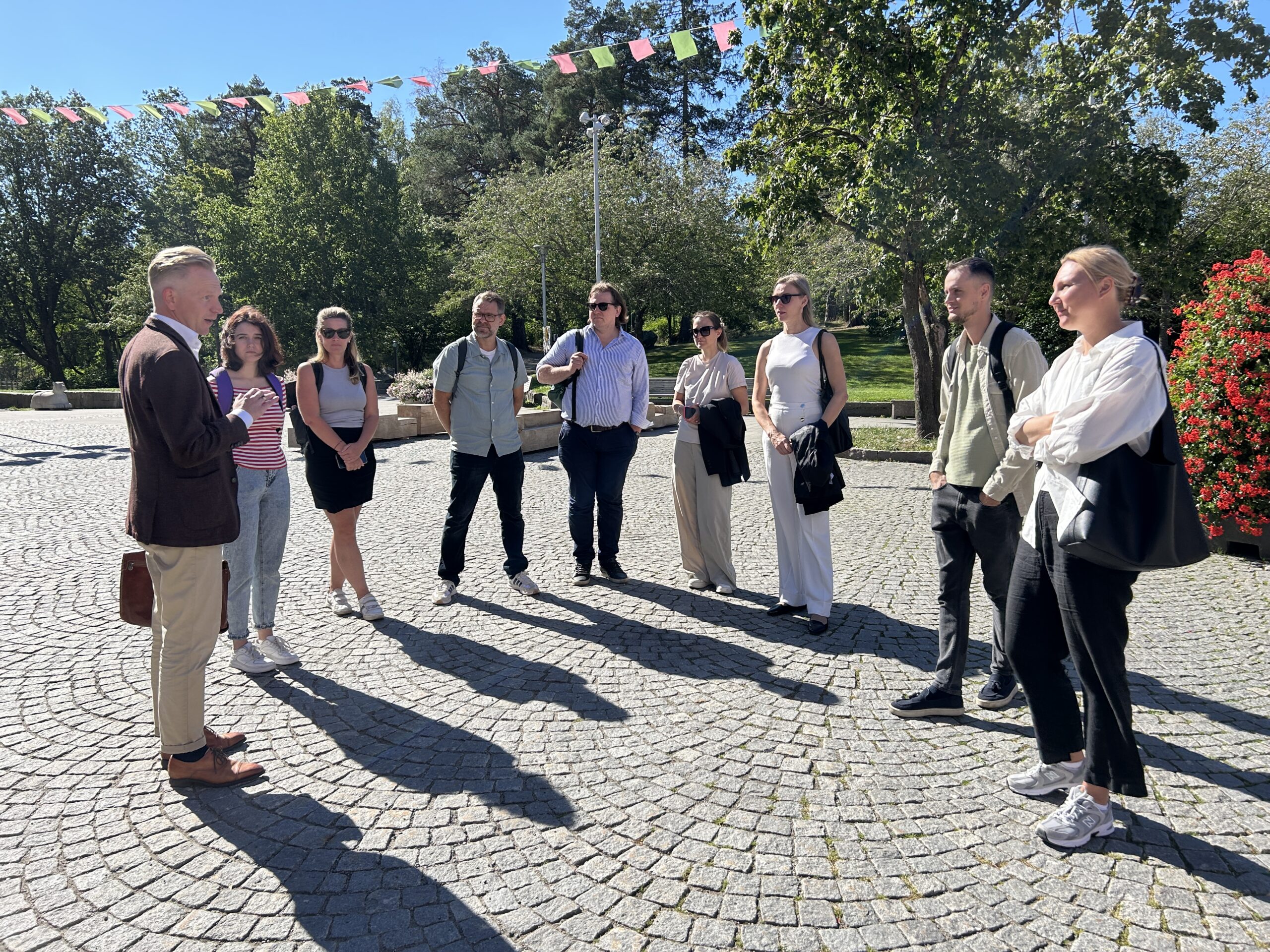
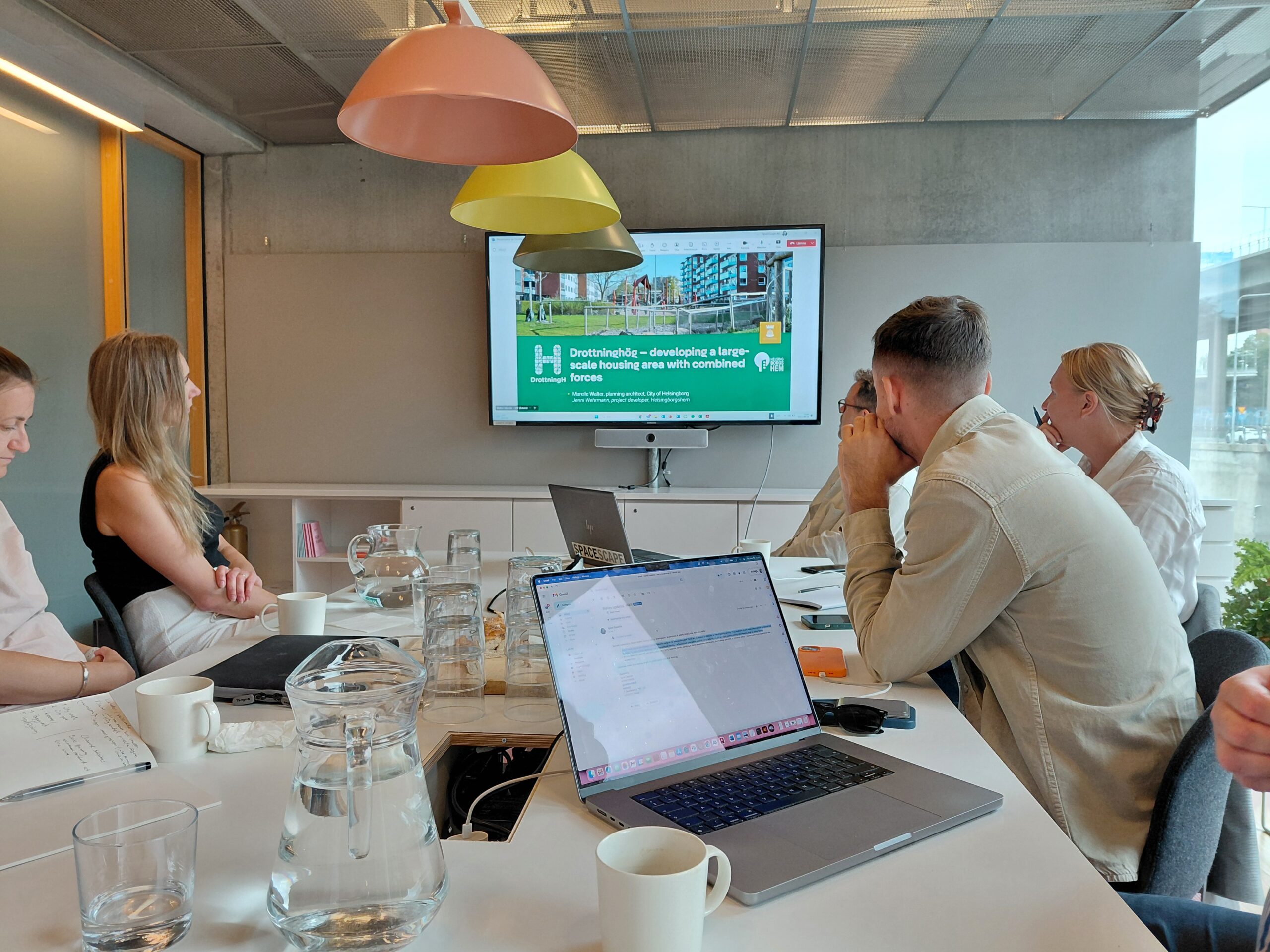
The study covered large-scale monofunctional modernist neighbourhoods, their similarities and differences in different countries, and lessons learned from renovation projects. Benchmarking studies, study trips to Stockholm and Vilnius, and discussions on contemporary challenges were conducted. Key areas: human-centred design processes, structural priorities, renovation and densification, transport and mobility, public spaces, governance and ownership. The social values studied include safety, health and well-being, equality and inclusion, attractiveness, as well as cultural and heritage values. In Ukraine, the focus was on areas damaged by war, internal displacement, increased disability, deteriorating health and safety restrictions for children.
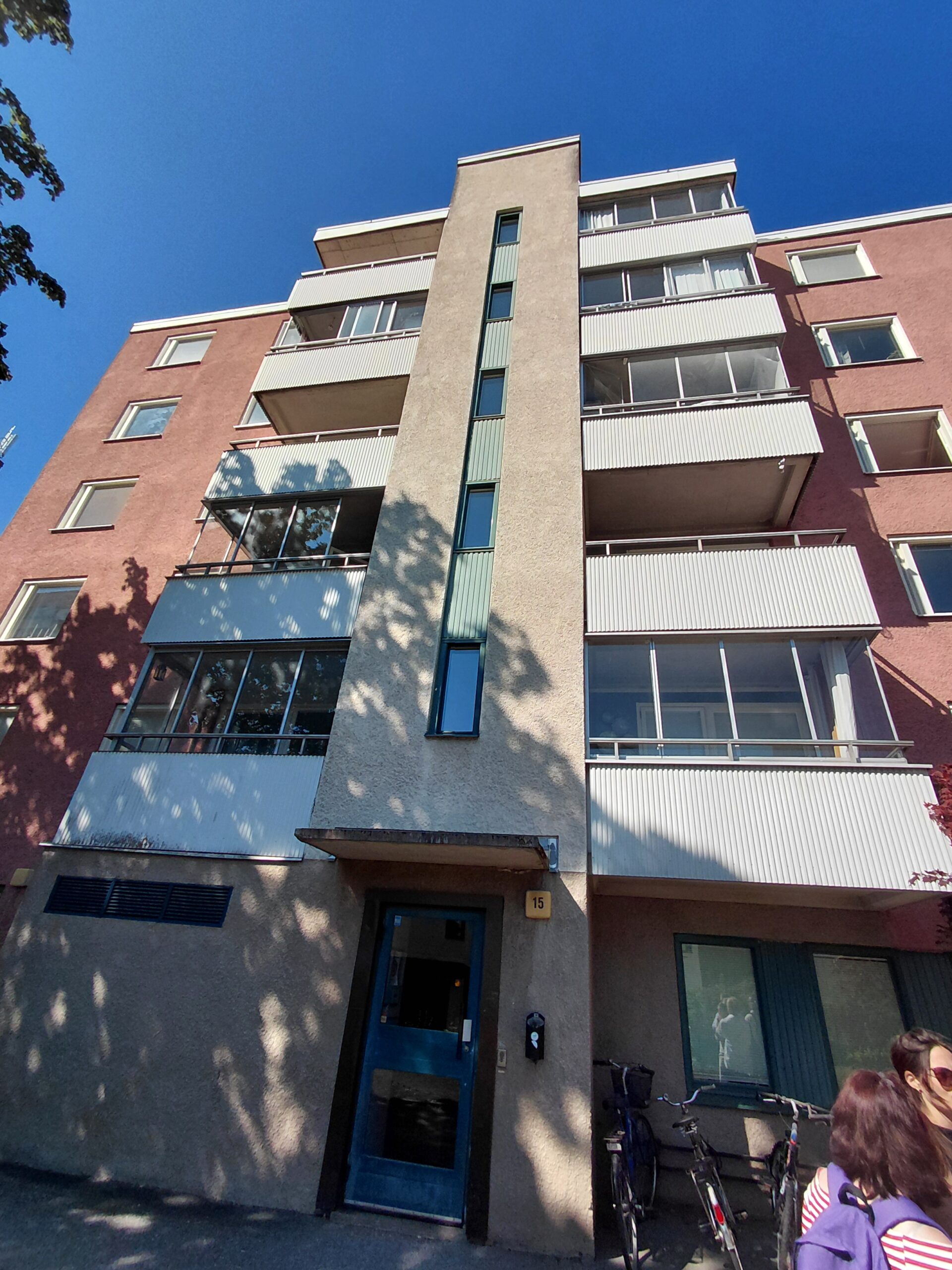
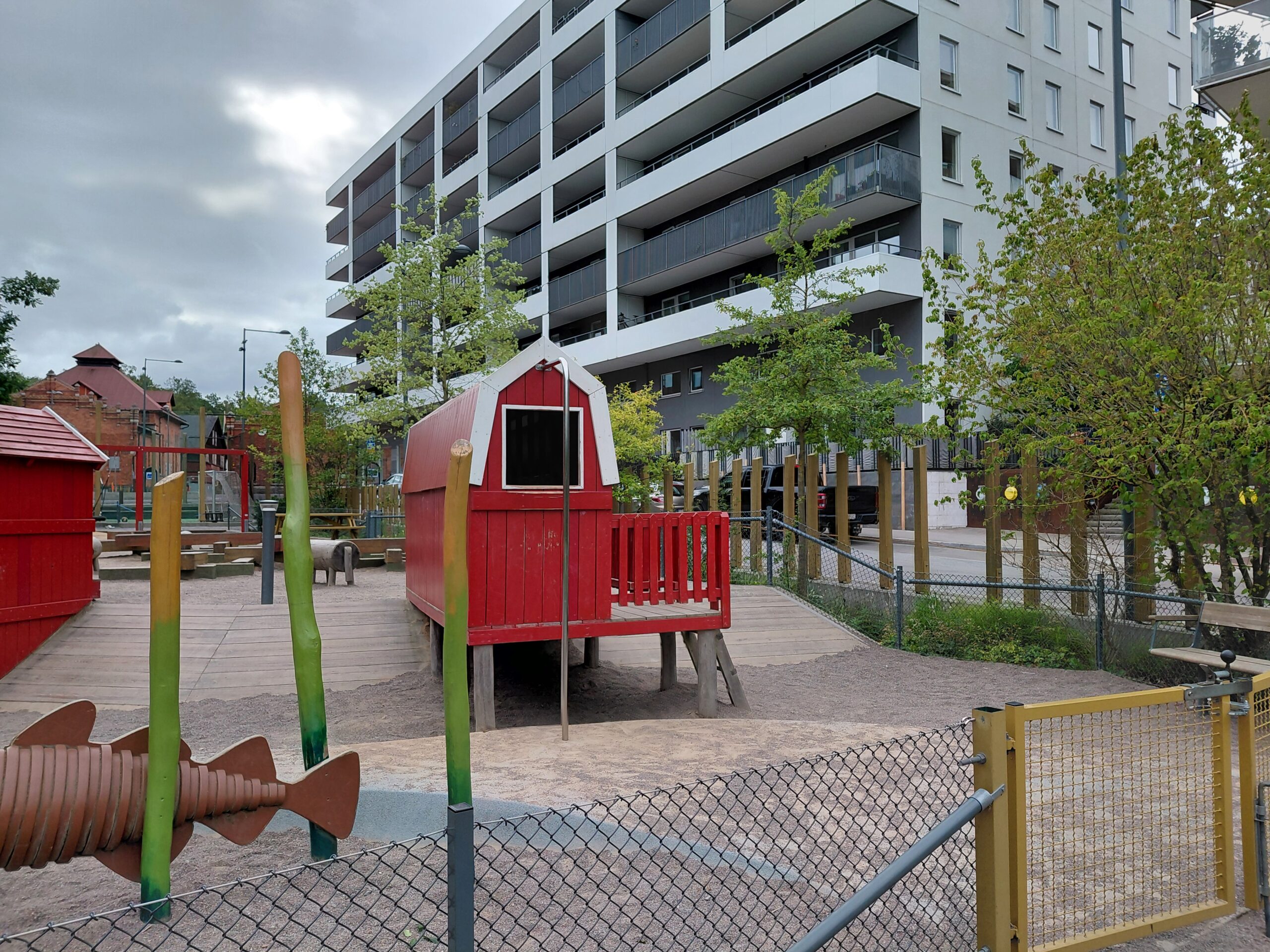
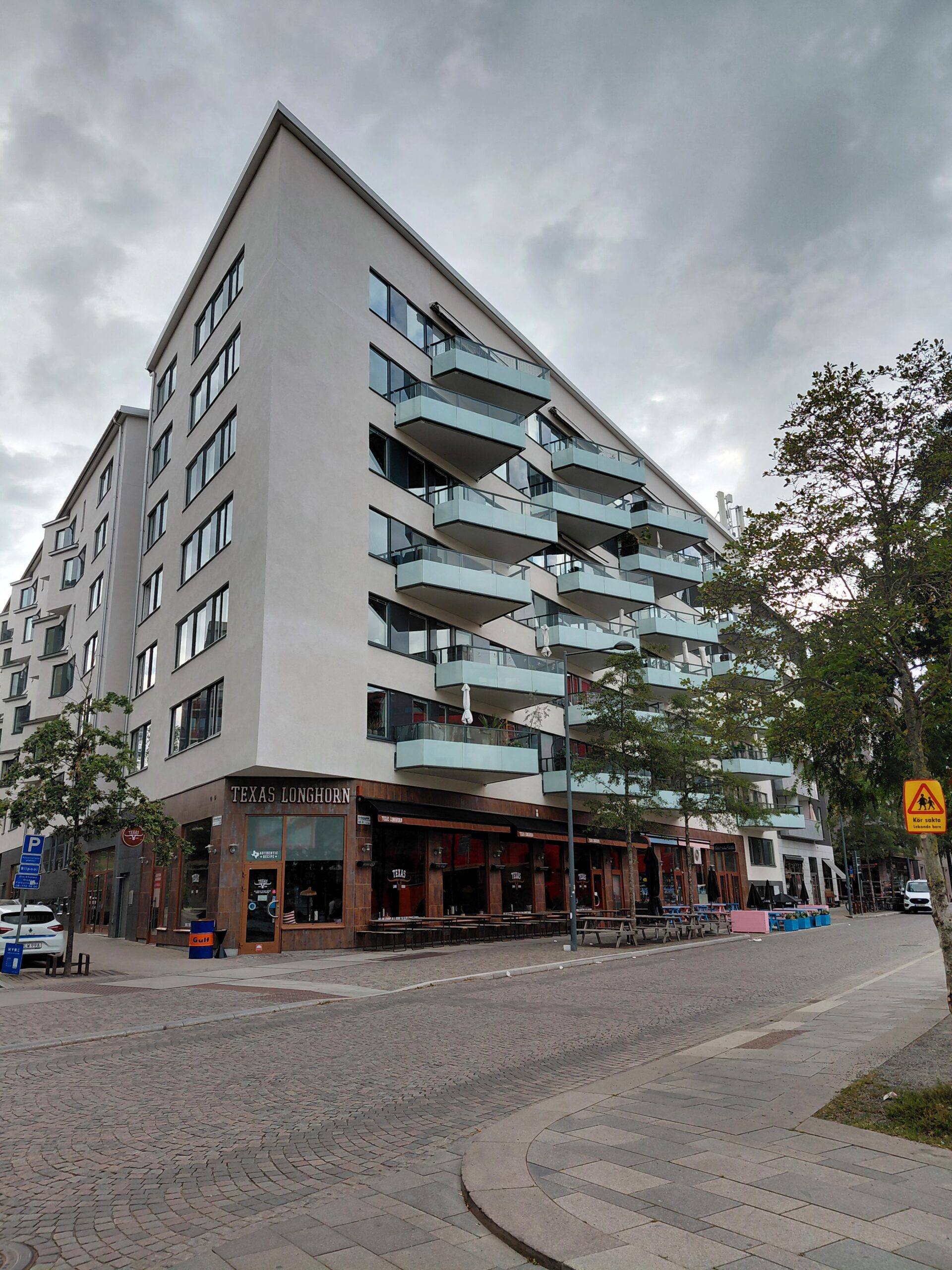
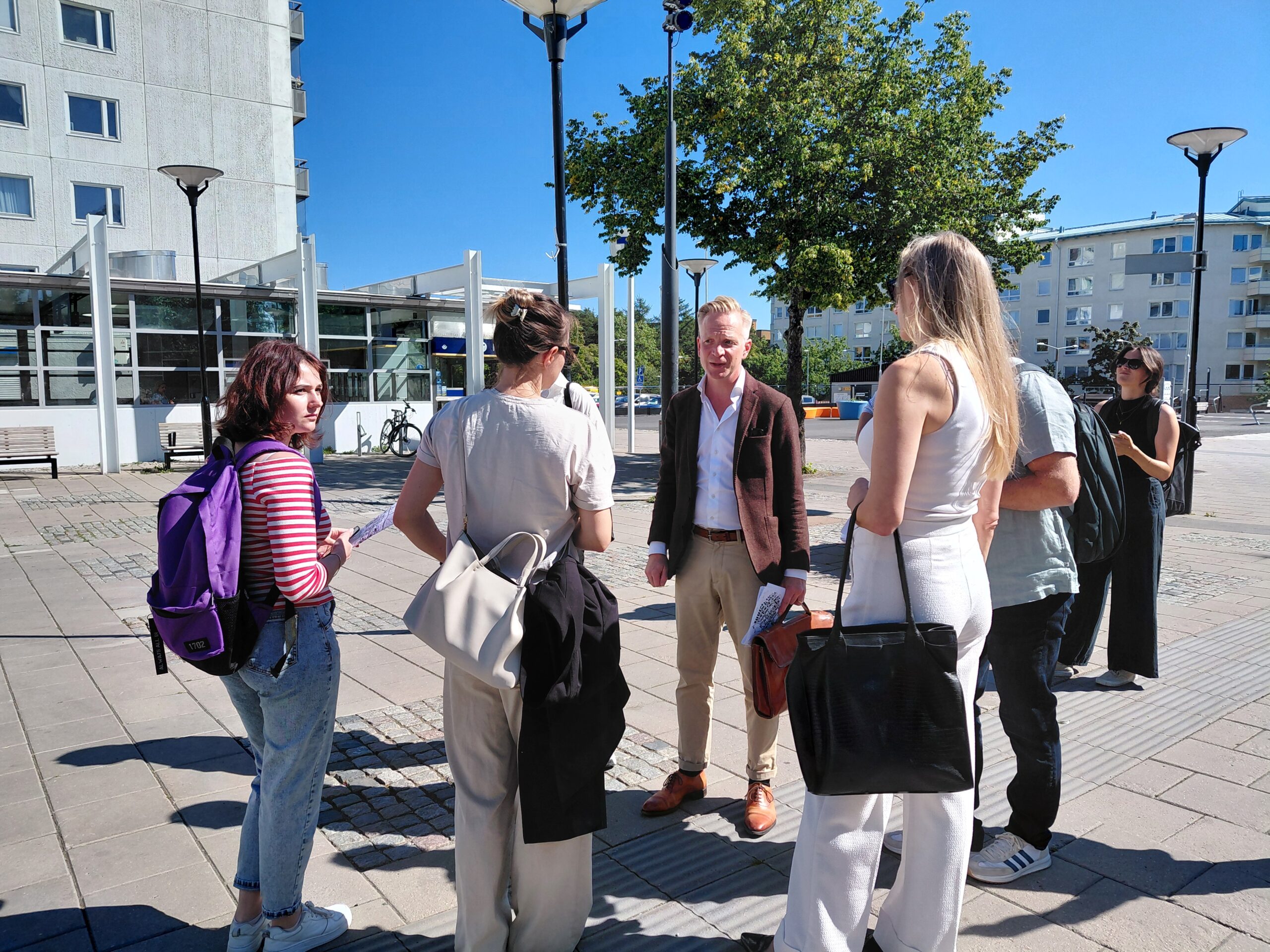
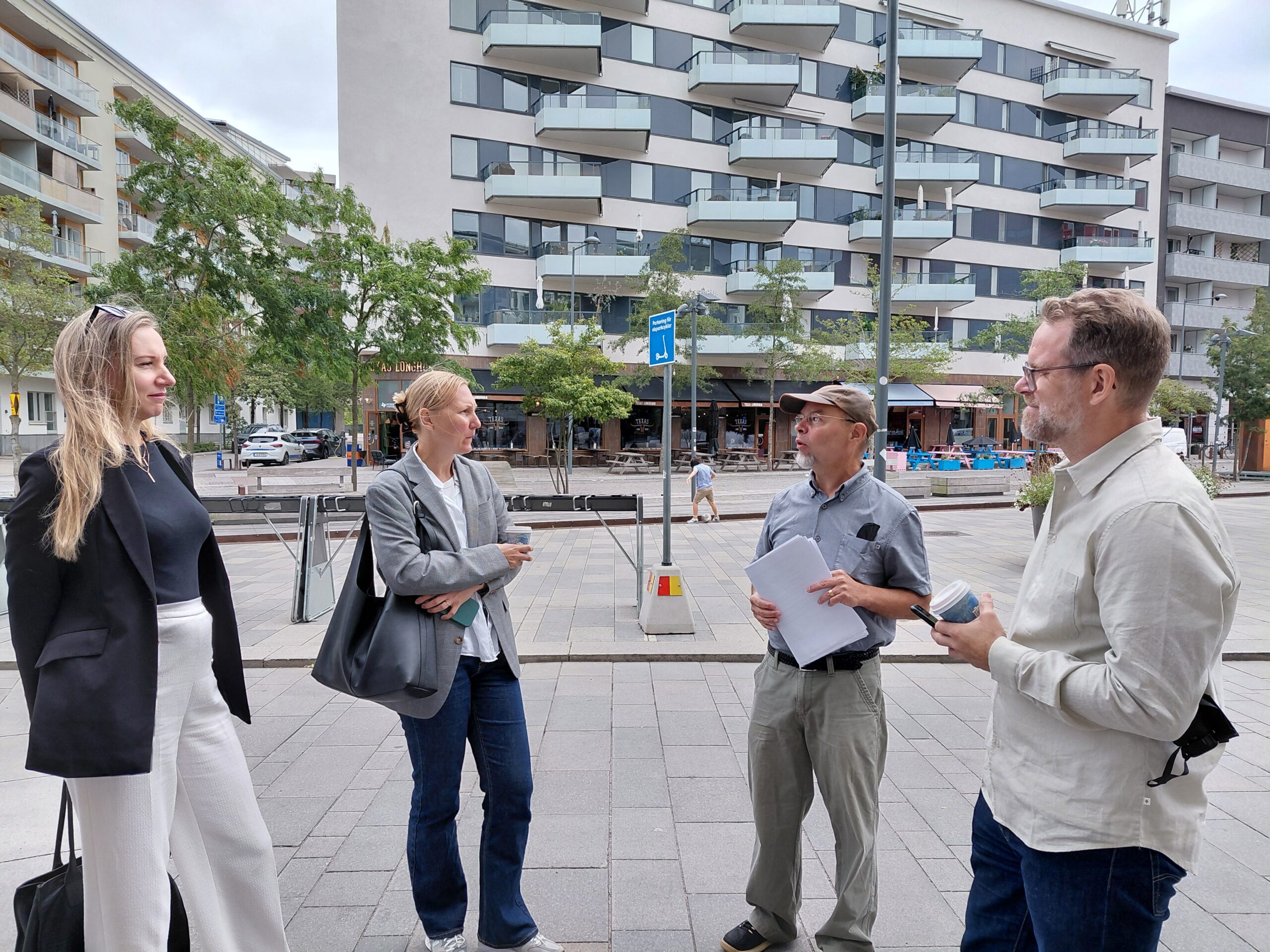
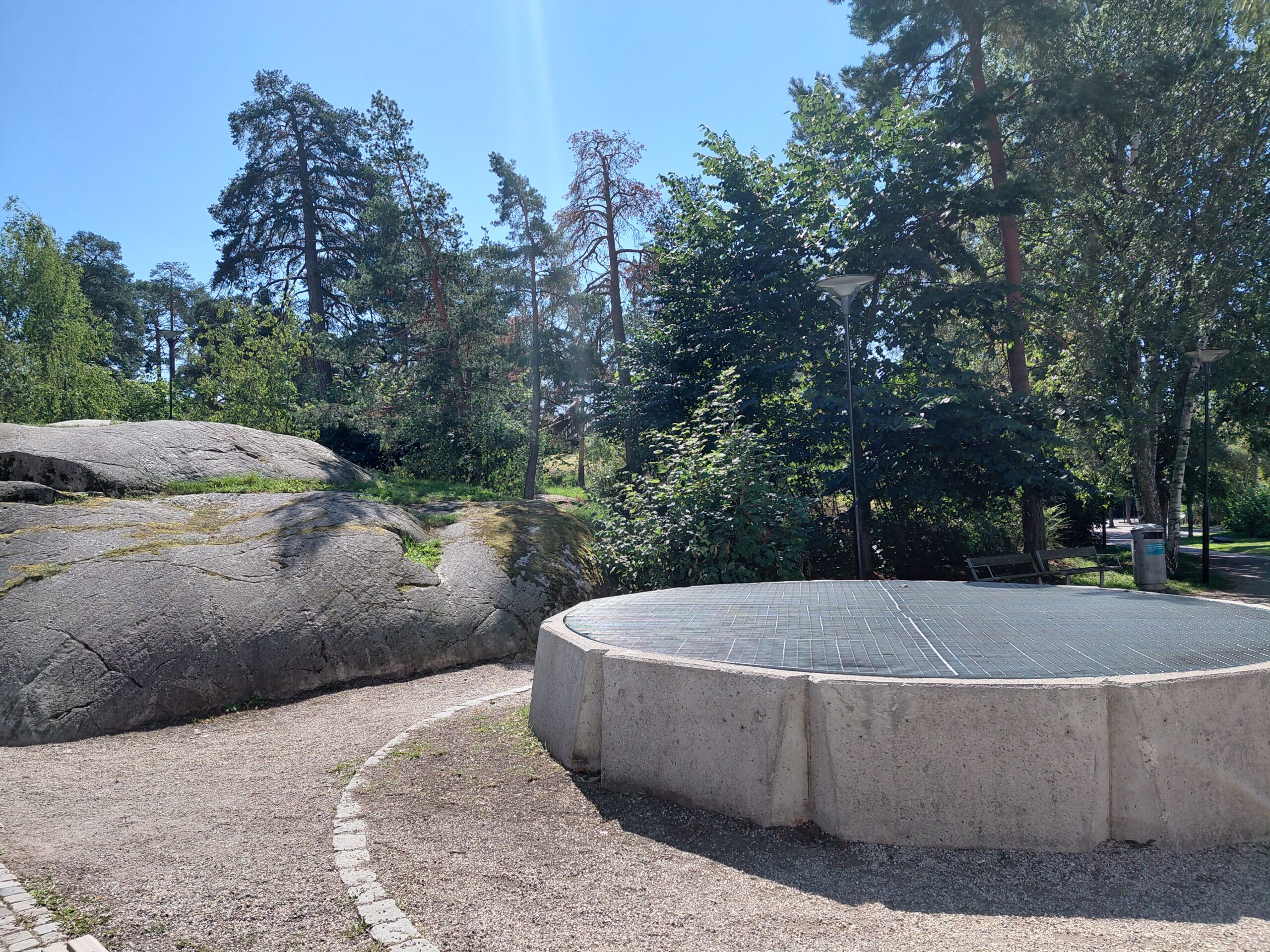
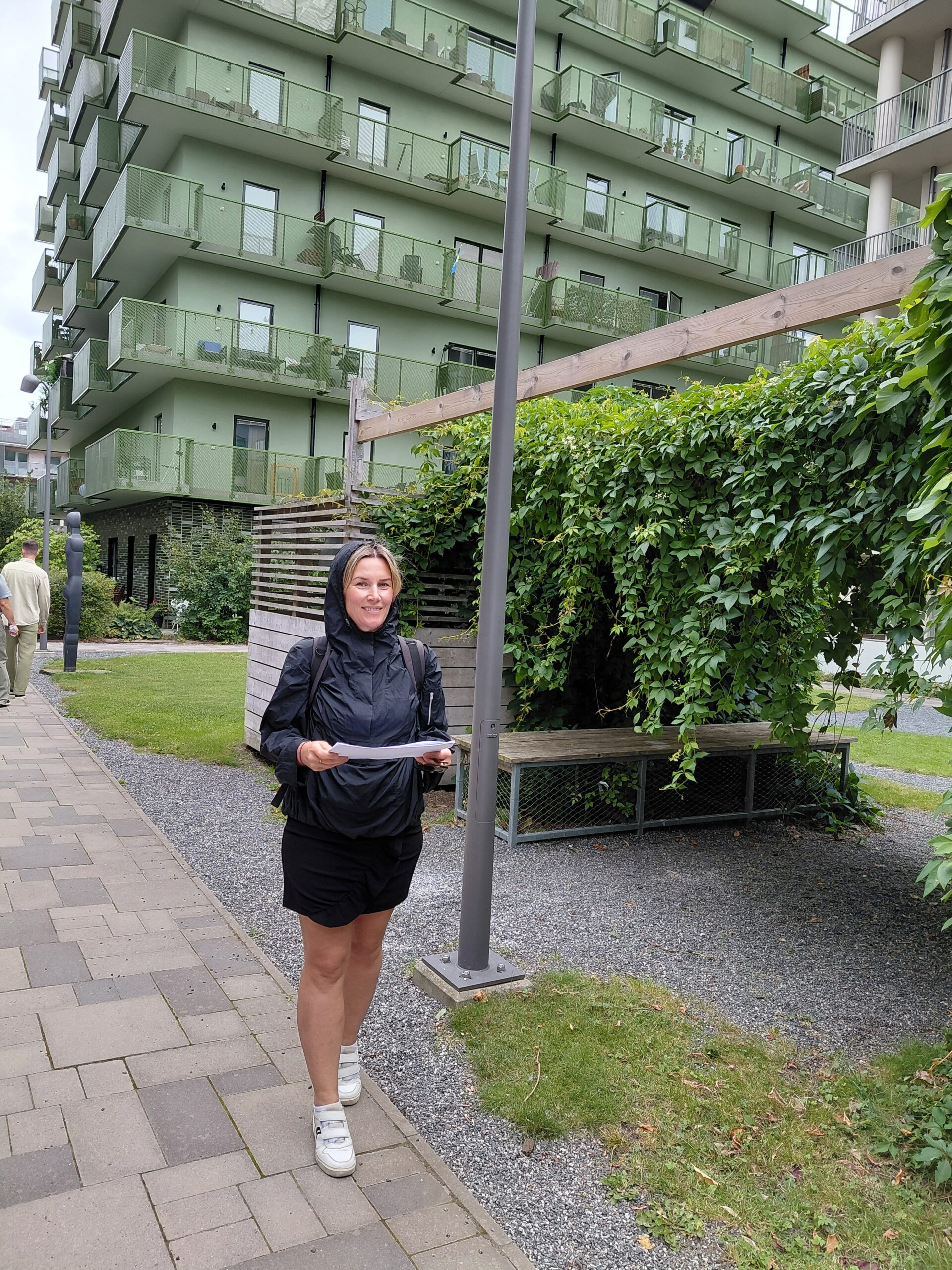
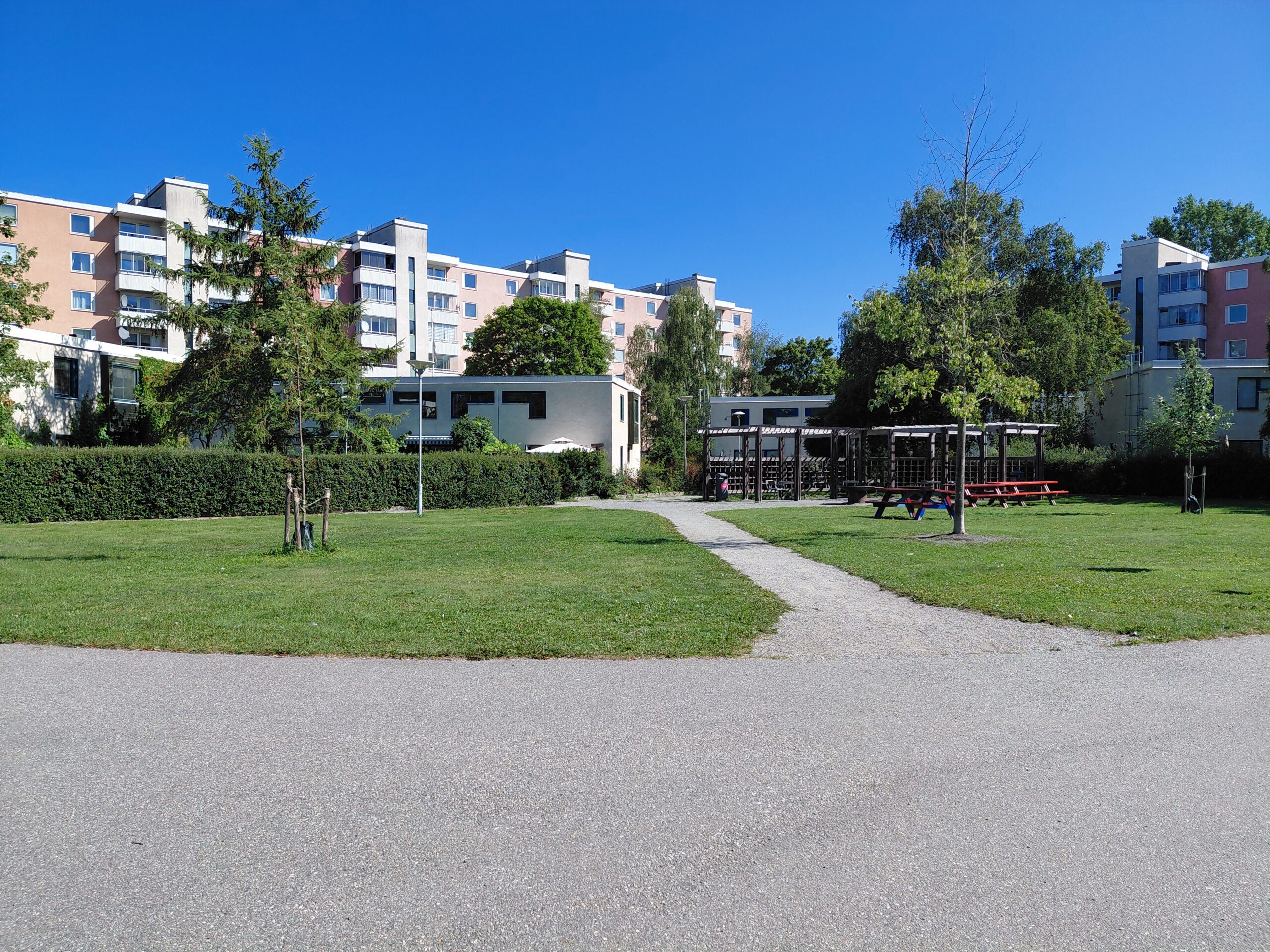
Although detailed survey results were not highlighted separately, experience sharing and study visits revealed key findings. At first glance, the living environments appear similar, but a detailed analysis reveals differences that provide valuable lessons and perspectives.
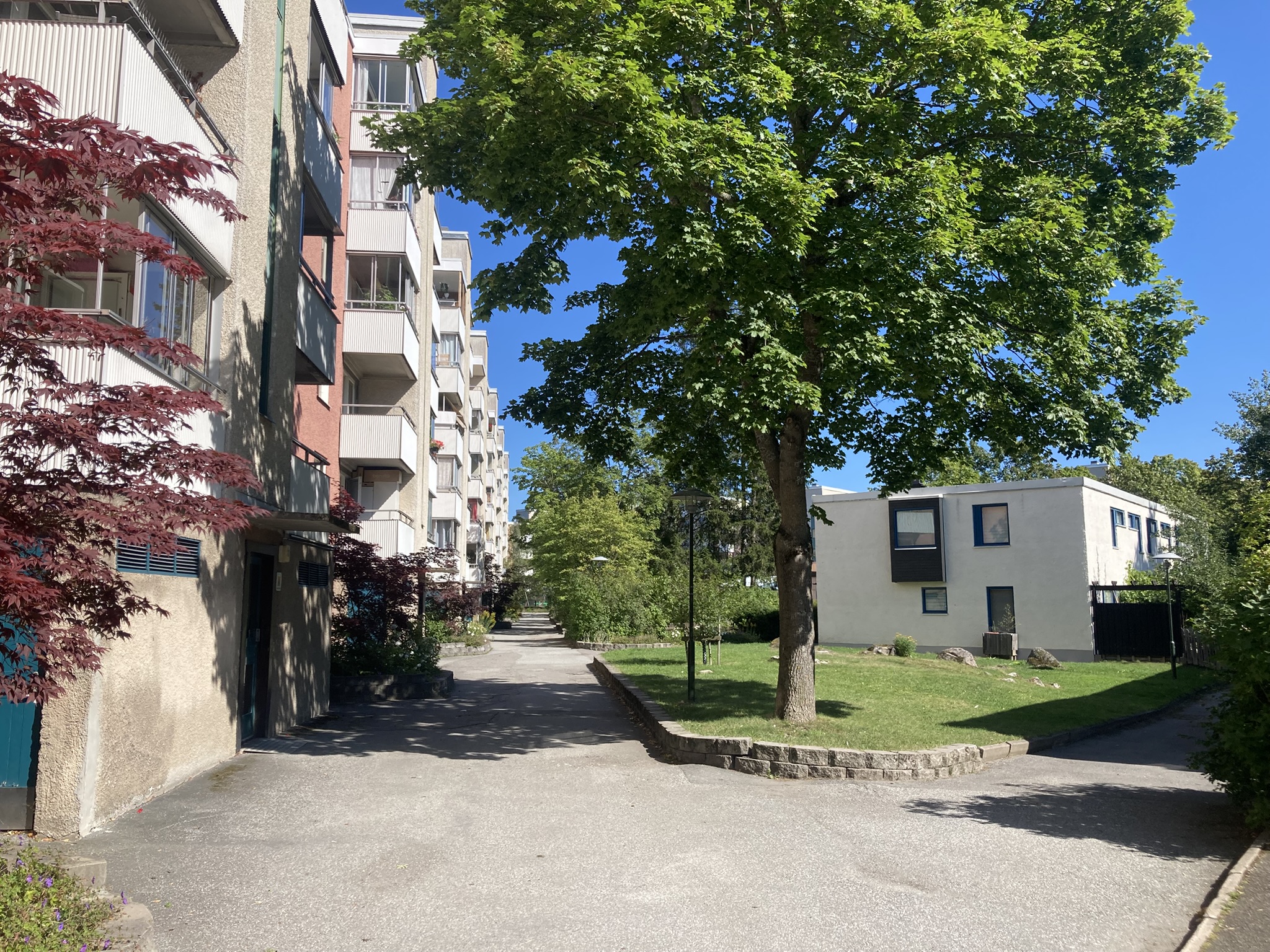
Sweden’s experience. The areas of Stockholm that were studied include Akalla, Husby, Kista, Rinkeby, and the innovative Royal Seaport. Key challenges include marginalisation due to immigration and segregation. Solutions:
- diverse housing typology (townhouses, mixed-use buildings) to prevent stable families from leaving;
- socially oriented planning (proximity to schools, playgrounds, parking lots);
- energy-efficient renovation with bright colours and high-quality amenities (lighting, safe spaces);
- development of small businesses and services for vulnerable groups.
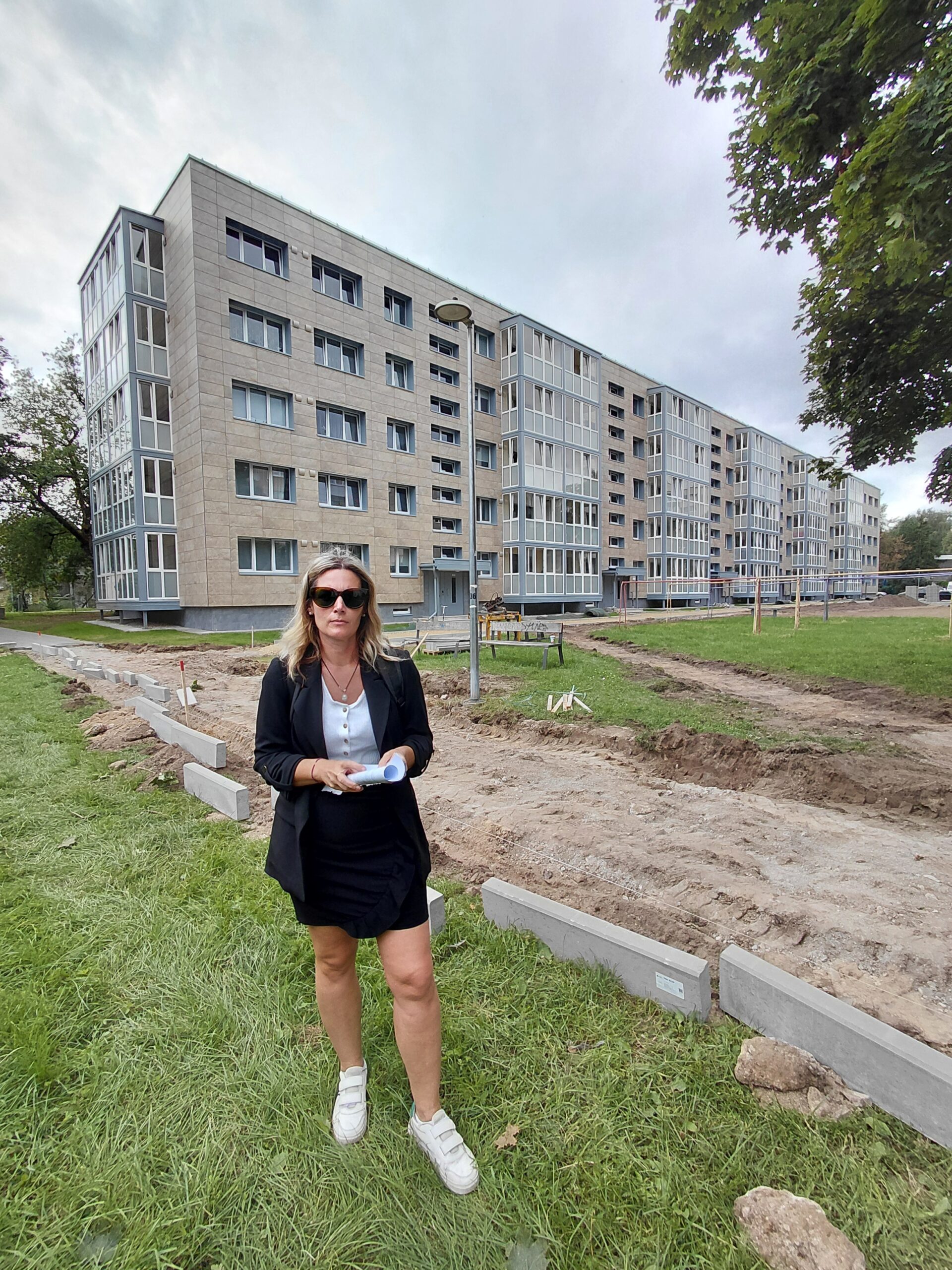
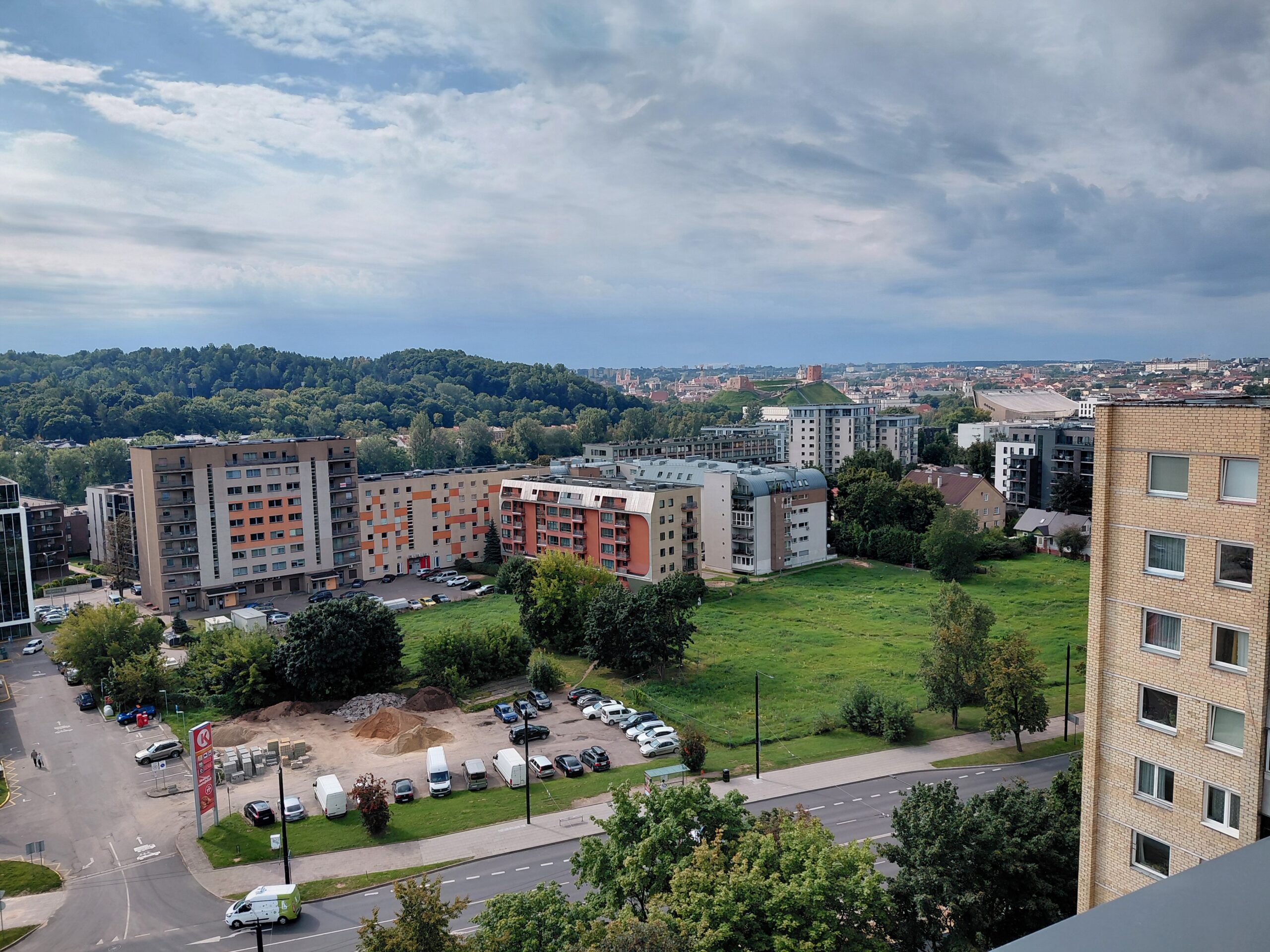
The experience of Lithuania. Similar post-Soviet challenges: monotonous development, lack of inclusiveness. Successful practices:
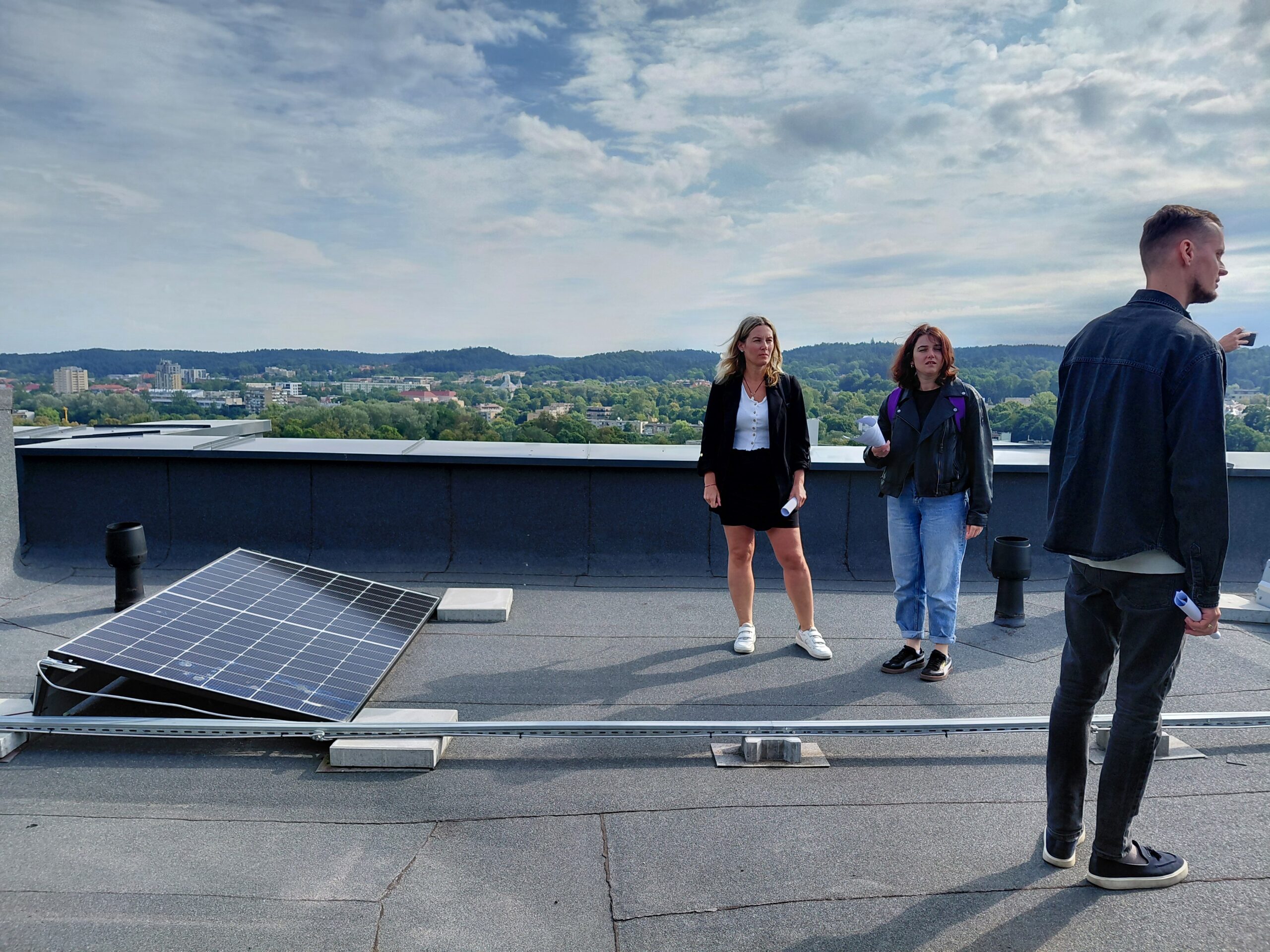
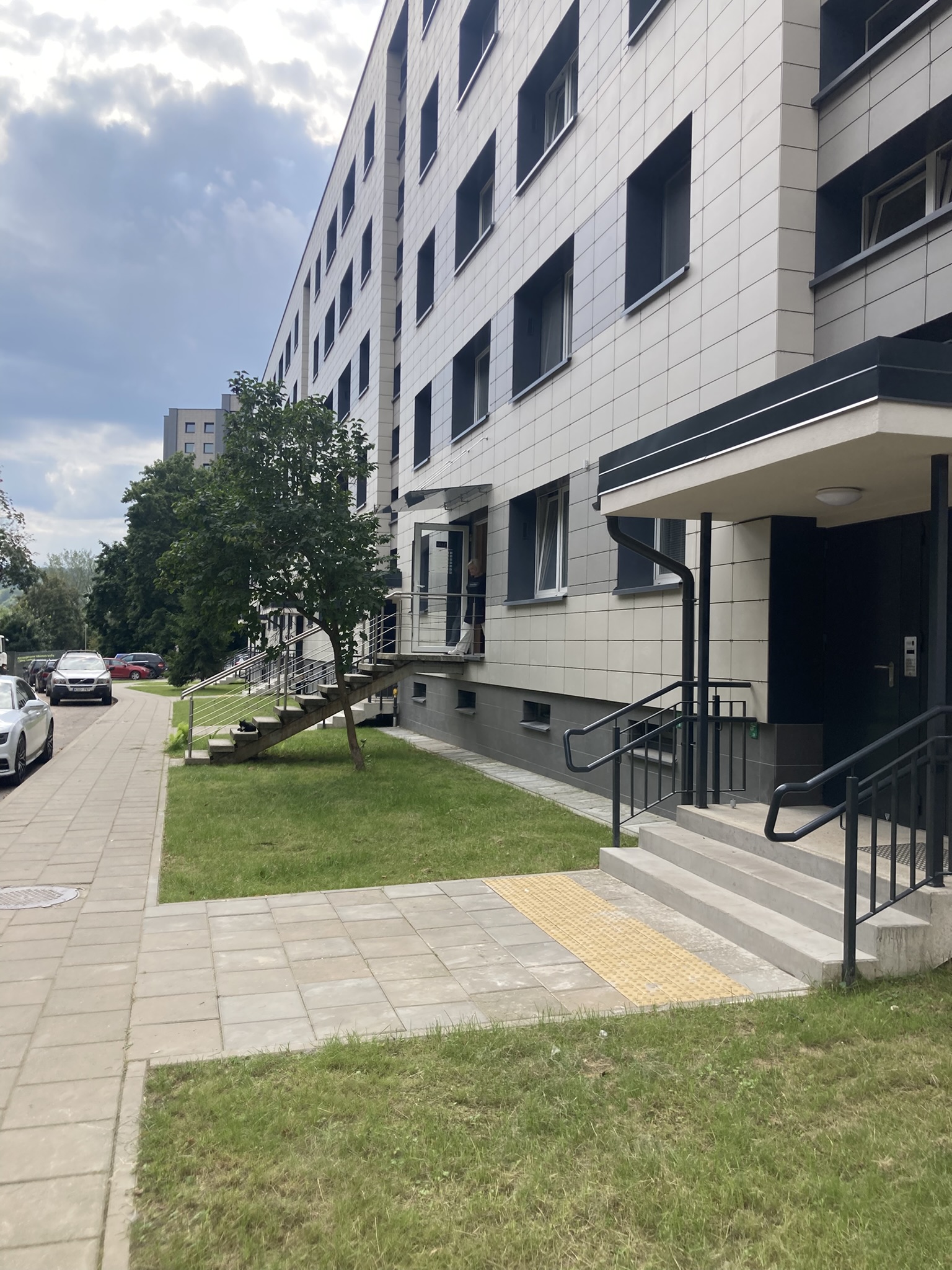
- comprehensive renovation at the initiative of residents (insulation, roof repair, engineering systems, decoration).
- partial state compensation of costs.
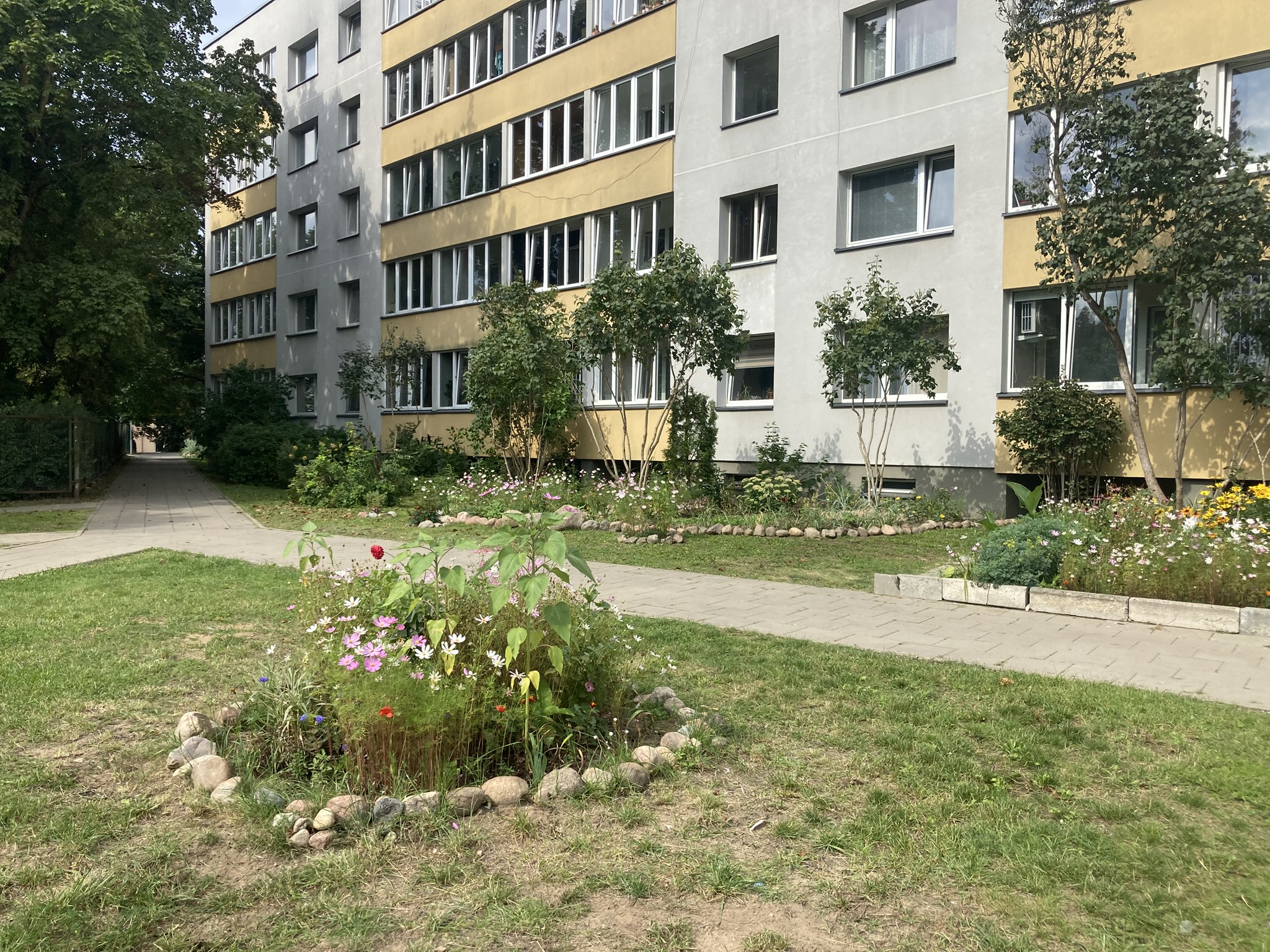
- improvement of residential and public areas: natural drainage, diverse landscaping, bicycle paths, children’s and sports areas.
Results and proposals for Mykolaiv. The study showed that small but targeted interventions (urban acupuncture) can trigger positive changes in quality of life. Pilot locations have been proposed for Mykolaiv. The area near the building at 265 Tsentralnyi Avenue, as well as the public space with a fountain on Flotsky Boulevard.
Recommendations include:
- human-centred design processes;
- densification and diversity of development;
- improvements to transport, mobility and public spaces;
- models for management and resident engagement (similar to condominium associations);
- energy efficiency and psychological comfort through colour, greening and safety.
This project is an important step towards international cooperation and the sustainable restoration of Mykolaiv. We would like to thank the Swedish Institute, our partners from Sweden and Lithuania, and the Department of Architecture for their collaboration.
Brochure IMPROVING SOCIAL VALUES BY URBAN DESIGN in large-scale modernistic neighbourhoods. Read more here (in English).
Experts who participated in the project:
- Tobias Nordström, partner and urban planner at Spacescape (project coordinator).
- Karin Lobo Lundgren, partner and urban planner at Spacescape.
- Louise Karlsson, architect and illustrator at Spacescape.
- Eugenia Bevz, partner and architect at Rein.
- Ruta Leitanaite, Board member of Architects Association of Lithuania.
- Martynas Marozas, Chair of the UREHERIT WG Holistic renovation of modernism housing. Director at MMAP.
- Maria Tokar, PhD, expert in architecture and urban planning at the Mykolaiv Development Agency, architect at AVG.
- Yevgen Polyakov, Director of the Department of Architecture and Urban Planning of the Mykolaiv City Council – Chief Architect of the City.
- Kateryna Khmelna, Head of the Architecture Sector of the Department of Architecture and Urban Planning of the Mykolaiv City Council
This project is being implemented with the participation of the Mykolaiv Development Agency, the Department of Architecture and Urban Planning of the Mykolaiv City Council, and international partners Spacescape AB, Architects Association of Lithuania, UREHERIT WG Holistic renovation of modernism housing, with the support of the Swedish Institute (SI).
Photo: Maria Tokar