In 2014, Ukraine signed an Association Agreement with the European Union. The document became a “roadmap” for transformations covering key areas of the state’s development: from political association, security, and a deepened free trade area to education, science, youth policy, decentralization, regional development, digitalization, and sustainable development. Importantly, the Agreement opened up new opportunities not only for central authorities, but also for local governments, educational institutions, utilities, and civil society organizations. It is at this level that European integration takes on practical meaning.
Mykolaiv is a port city in southern Ukraine that has felt the effects of full-scale war. Therefore, recovery, social cohesion, and long-term development are of paramount importance to the community.
The city already participates in international mobility programs and maintains stable partnerships with sister cities. Delegation exchanges, joint initiatives for schoolchildren and young people, as well as technical and humanitarian aid projects are being implemented. The next logical step is to move towards systematic participation in European Union programs.

What are Erasmus+ and Key Action 2?
Erasmus+ is the European Union’s flagship program in the fields of education, vocational training, youth, and sports. The total budget for the program for the 2021–2027 period is €26.2 billion.
For local authorities, one of the most promising tools within the program is Key Action 2 (KA2) — “Cooperation between organizations and institutions,” in particular cooperation partnerships. These are medium- and long-term partnership projects lasting from one to three years, within which municipalities can act as partners and, in certain types of activities, as consortium coordinators together with European cities, educational institutions, universities, youth centers, or municipal enterprises.
KA2 funds partnership projects aimed at developing and implementing educational, training, and methodological solutions that are directly relevant to the needs of the city. In particular, this may concern:
- joint research and analytics;
- development of methodologies, strategies, and public policies;
- training and rehabilitation programs for veterans;
- development of competencies in the field of green infrastructure and sustainable development;
- digitization of municipal services through staff training;
- retraining and adult education programs.
What was revealed during the focus group
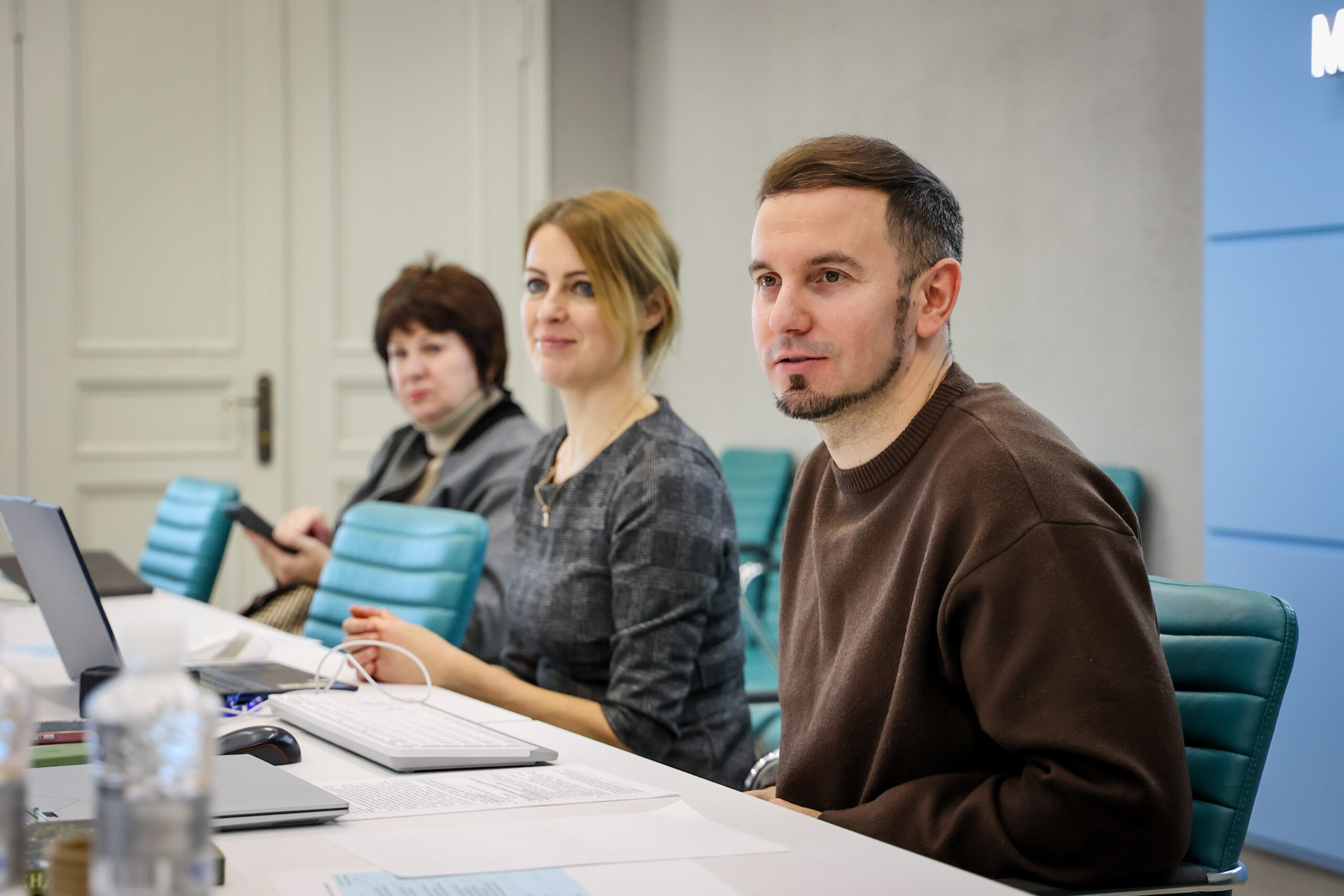
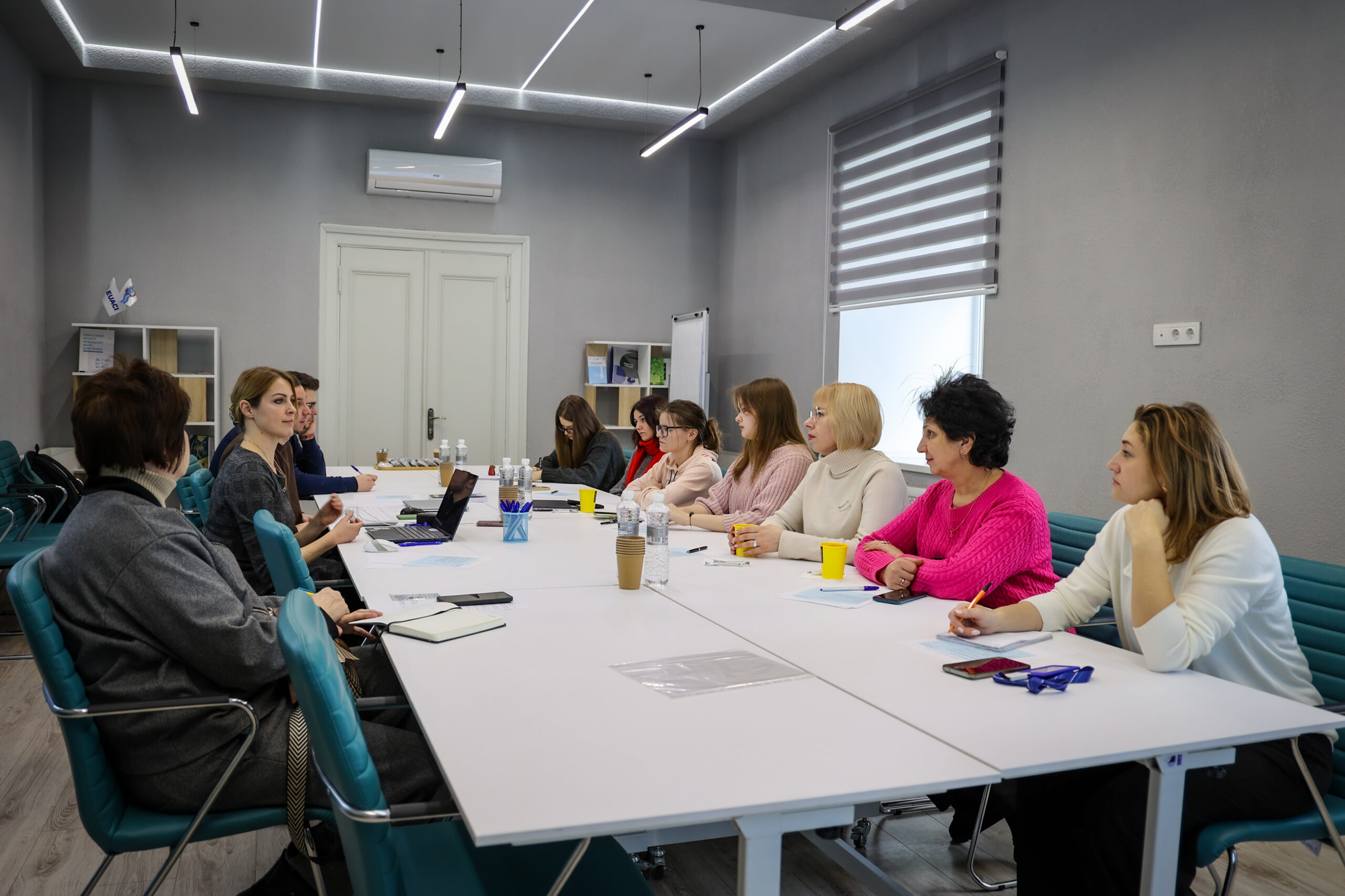
During the focus group, which was attended by managers and specialists from city council departments (international cooperation, architecture and urban planning, housing and communal services, education, culture, sports, social protection, veterans’ affairs, and youth policy), key barriers to participation in programs were identified:
- psychological (lack of experience in writing grant applications);
- institutional (fragmented powers, overload with current work);
- methodological (post-submission procedures, mechanisms for finding partners and budgeting).


Until 2022, the city’s problems were mostly structural in nature: outdated models of extracurricular education, weak development of club sports, post-Soviet urbanism, and insufficient modernization of housing and communal services. After February 24, 2022, they took on an existential dimension: social housing for IDPs, rehabilitation of veterans and people with disabilities, memory policy, preservation of cultural heritage in wartime, demographic shifts, and integration of military families.
At the same time, participants emphasized that Ukraine is no longer just a recipient of aid, but a bearer of unique expertise.
“We can offer our European partners experience in rapid management decisions in crisis conditions, adaptation models, and rehabilitation practices,” said representatives of the departments.
The Office of European Integration can play an important coordinating role in this process, acting as a bridge between the needs of the community and the opportunities offered by EU programs.
The initiative to establish the Office is being implemented by the NGO “Centre for Adult Learning and Education “Pivden” in cooperation with the Mykolaiv Development Agency and with the support of U-LEAD with Europe, which is funded by the European Union and its member states — Germany, Denmark, France, Austria, Poland, and Slovenia.
In the near future, a series of training sessions on project management is planned, with about 75 people expected to participate — representatives of youth, business, local government, internally displaced persons, veterans, and the public sector. This is a step towards making European programs not a one-off opportunity for Mykolaiv, but a stable tool for community development.
Photo: Mykolaiv Development Agency